
Species profile · Exotic Rodents
Acacia rat
Thallomys paedulcus
Current collection
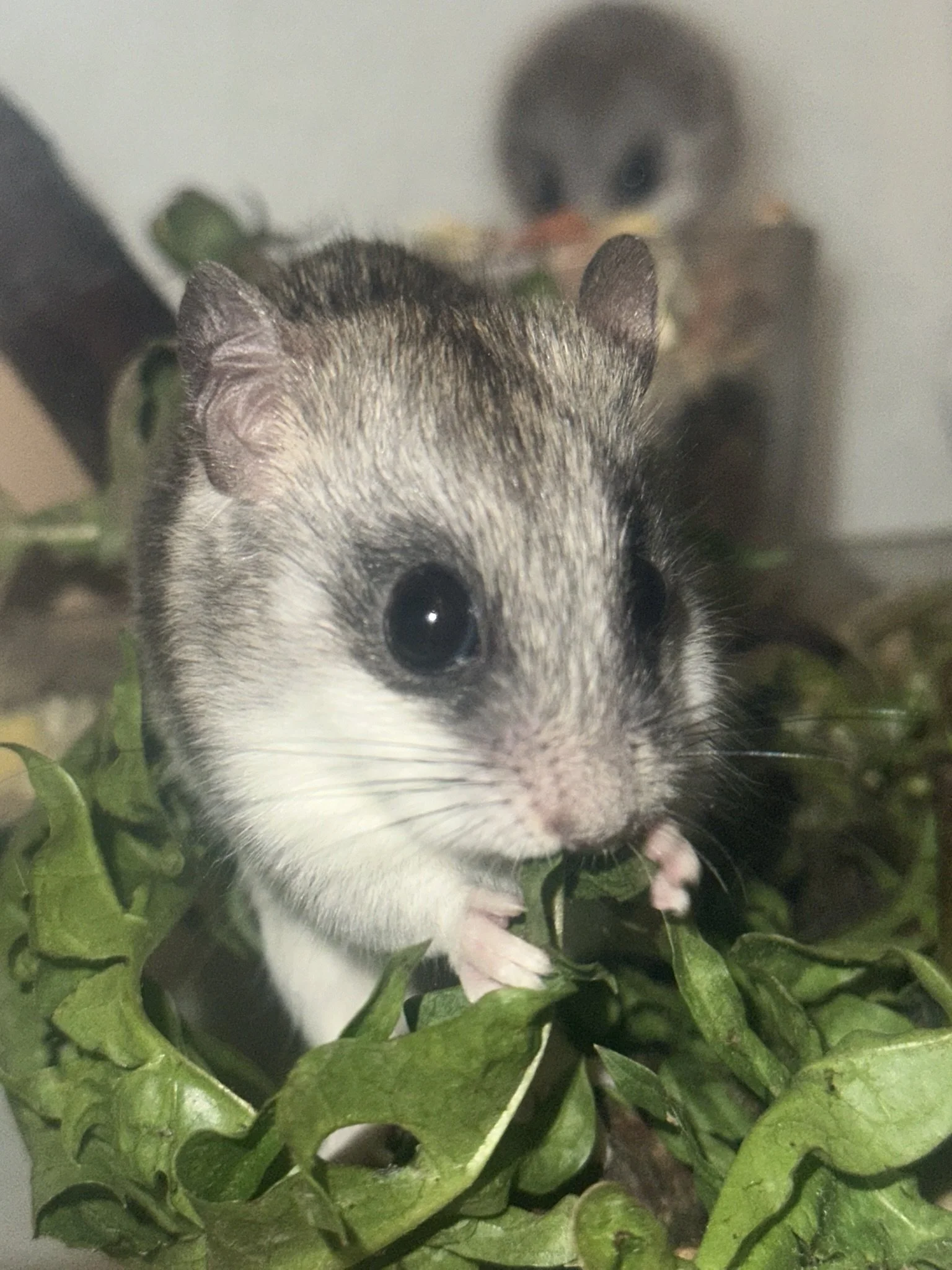
The acacia rat is an African tree-dwelling rodent closely associated with thorn trees. Soft fur, a long tail and curved claws accompany a life spent climbing, sheltering and feeding among branches.
- Classification
- Rodentia · Muridae
- Native range
- Eastern and southern Africa
- Habitat
- Acacia woodland and savanna
- Activity
- Mainly nocturnal
- Wild diet
- Foliage, seeds and other plant foods
- Lifestyle
- Arboreal · tree-dwelling
In the wild
Natural history
Distribution & habitat
This species occurs across parts of eastern and southern sub-Saharan Africa. Acacia trees provide food and sheltered nest sites, with thorny branches helping protect resting animals.
Behaviour & activity
Activity begins around dusk and continues at night. Nests are built using leaves, grasses and small twigs. Scent marking plays a role in communication and territorial behaviour.
Diet & foraging
Wild foods include seeds, leaves, buds, fruit and gum, with occasional invertebrates. Food may be carried back to a sheltered nest before being eaten.
Life cycle & reproduction
Breeding is linked to favourable rainy-season conditions and fresh vegetation. Captive studies report small litters, commonly two to five pups. Detailed observations of parental care in the wild remain limited.
At Exotic Rodentry
Within our collection
Collection notes updated: 6 November 2026
These notes describe our own animals and experience. Feeding details record our current practice and are not a complete care guide.
First kept: 2008
Current animals: One wild-type group and one pied group
Collection history
We first kept acacia rats in 2008, when we were looking for an alternative to fancy rats and fell for their character. Our early animals came from an exotic pet shop, and a breeding pair and several youngsters stayed with us throughout our university years. Occasional litters were a memorable part of keeping those first groups.
Our current animals
We currently maintain one wild-type group and one pied group. The pied animals came from two private keepers, with the two groups eventually becoming one. Our wild-type group combines youngsters from the pied groups that show no visible colour mutation with animals from a zoological collection. These descriptions record their appearance and origins, rather than confirming the inheritance of the colour forms.
Housing & enrichment
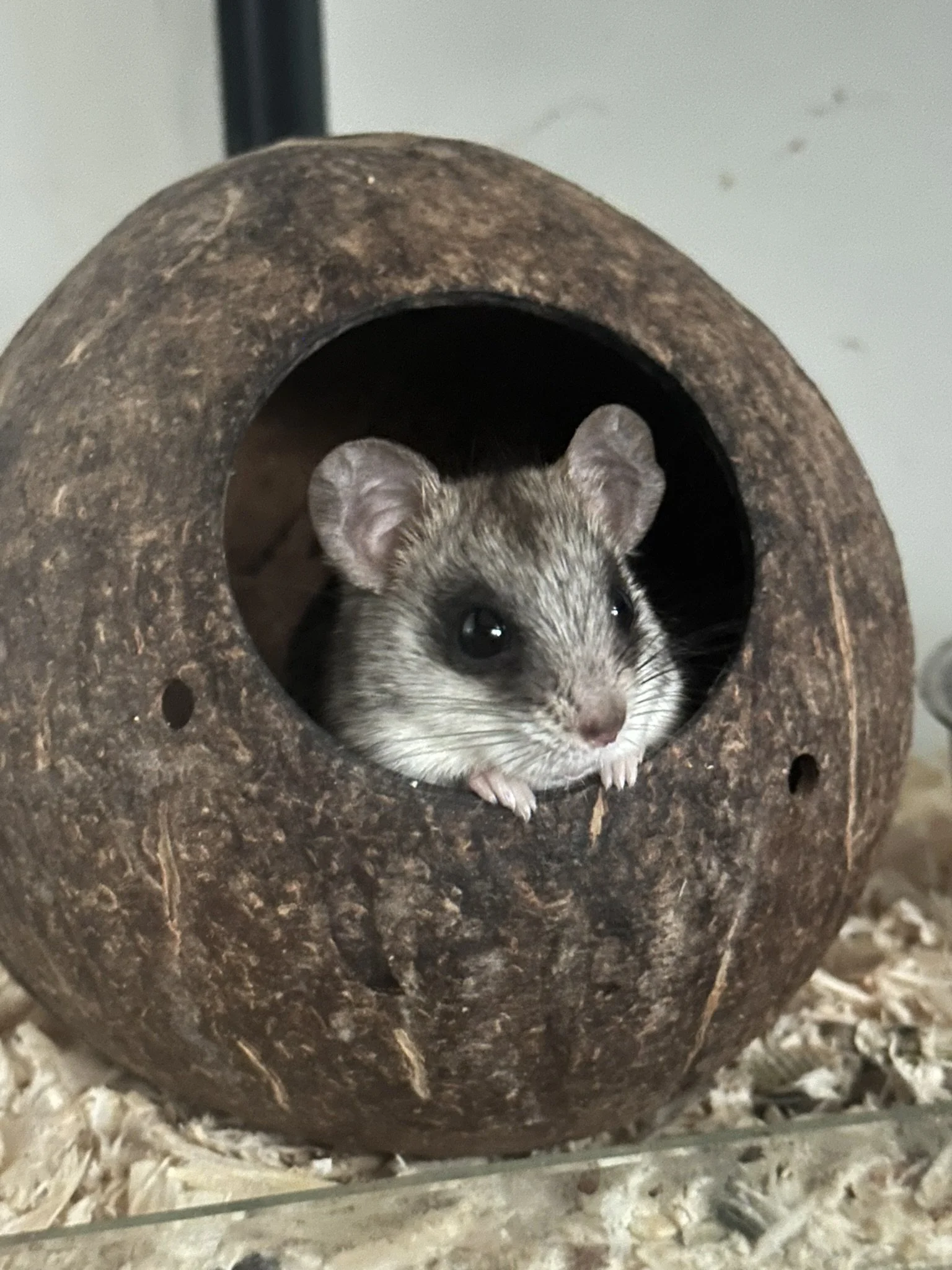
Secure containment is a major consideration: our acacia rats are determined chewers and agile escape artists. We favour tall glass tanks with secure, fine-mesh ventilation, or suitable metal-framed mesh enclosures. Wooden and plastic accommodation has proved vulnerable to chewing in our experience. Branches, logs, bark, stems and leafy browse provide climbing routes and material to strip, gnaw and carry. They also make small tunnels beneath furnishings and build nests at ground level from material they can move or chew into manageable pieces.
Feeding in our collection
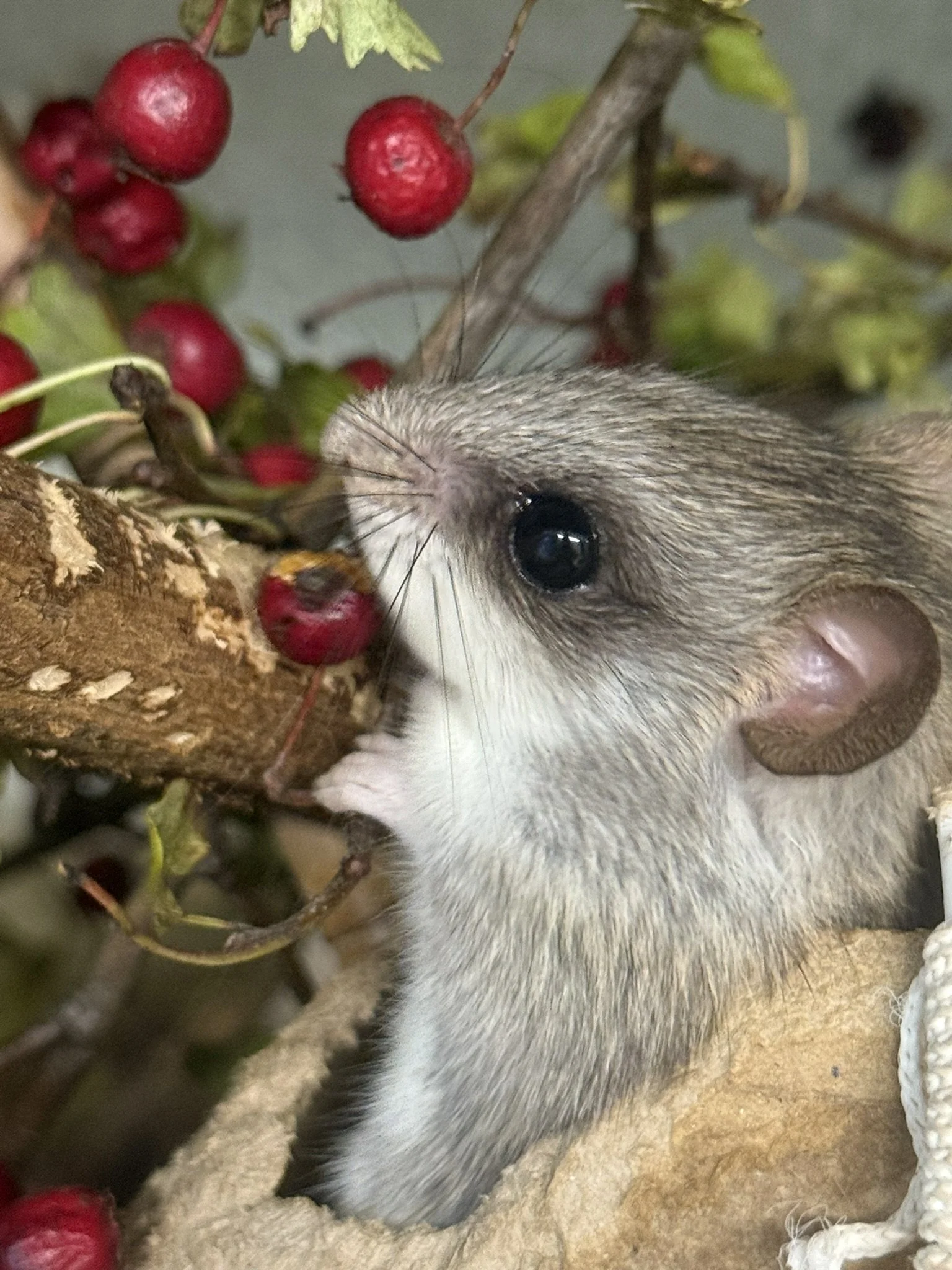
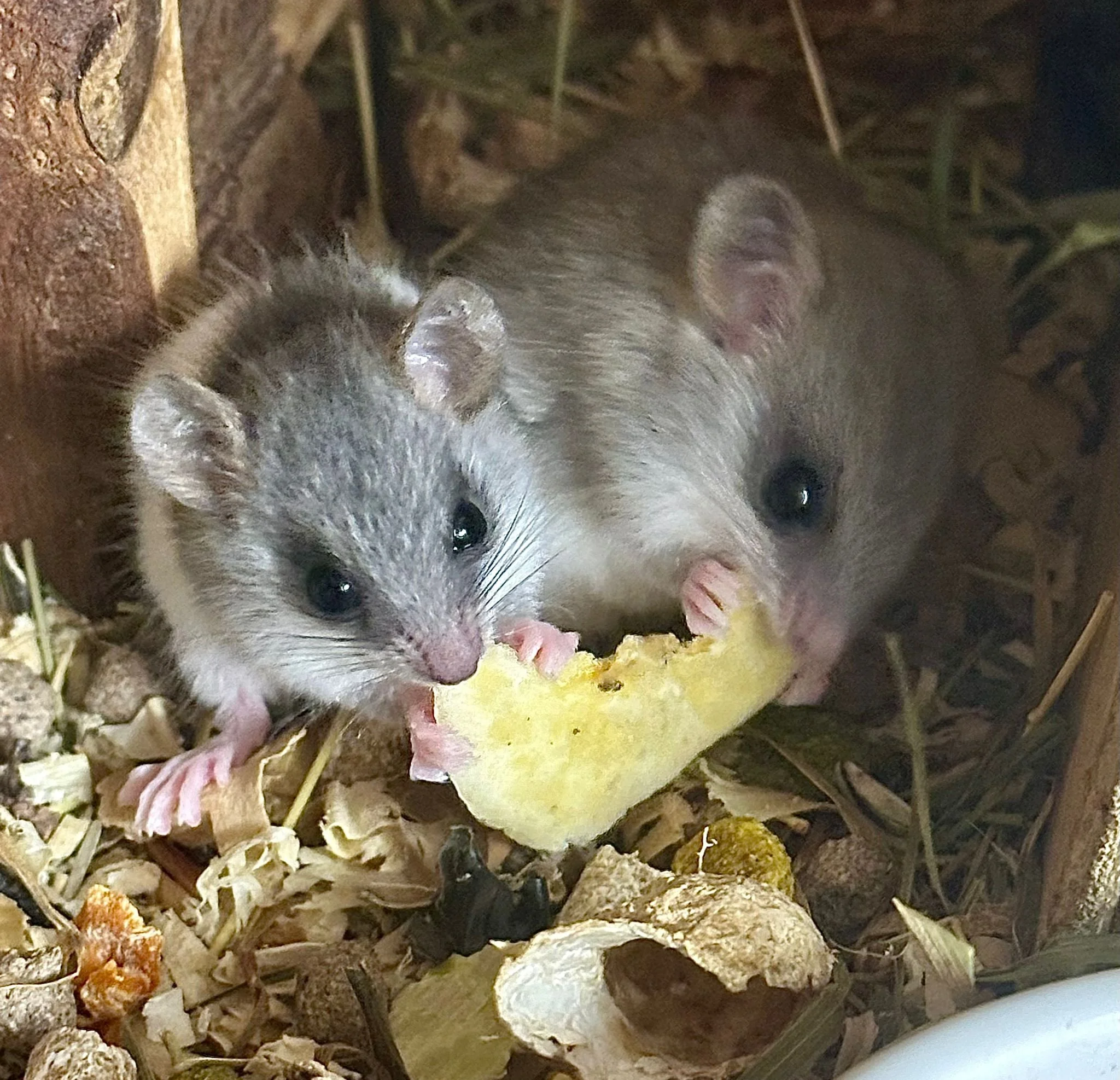
We currently use fruit-containing parrot and squirrel mixes, with rodent blocks and other rodent mix offered at intervals. Our animals tend to select the larger seeds, nuts and dried insects, so these mixes have helped reduce waste. Fruit is particularly popular, including ripe fruit, while many other fresh foods attract less interest. We continue to offer a variety of suitable fresh foods and monitor what is eaten. These observations describe our current practice and food preferences, rather than establishing a nutritionally complete diet.
Behaviour & group management
Their character is a large part of their appeal. Animals accustomed to interaction from a young age can become very confident with us; our university animals readily settled into a pocket or hood and moved between familiar people. Compatibility with other acacia rats is a separate matter. Adult introductions have sometimes resulted in serious aggression, and even family groups that lived together for years have fallen out without an obvious trigger. We have generally found young introductions easier, but do not assume any group will remain compatible. Mature females may chase one another, so we monitor interactions and separate animals when chasing becomes persistent or excessive to prevent injuries.
Breeding experience
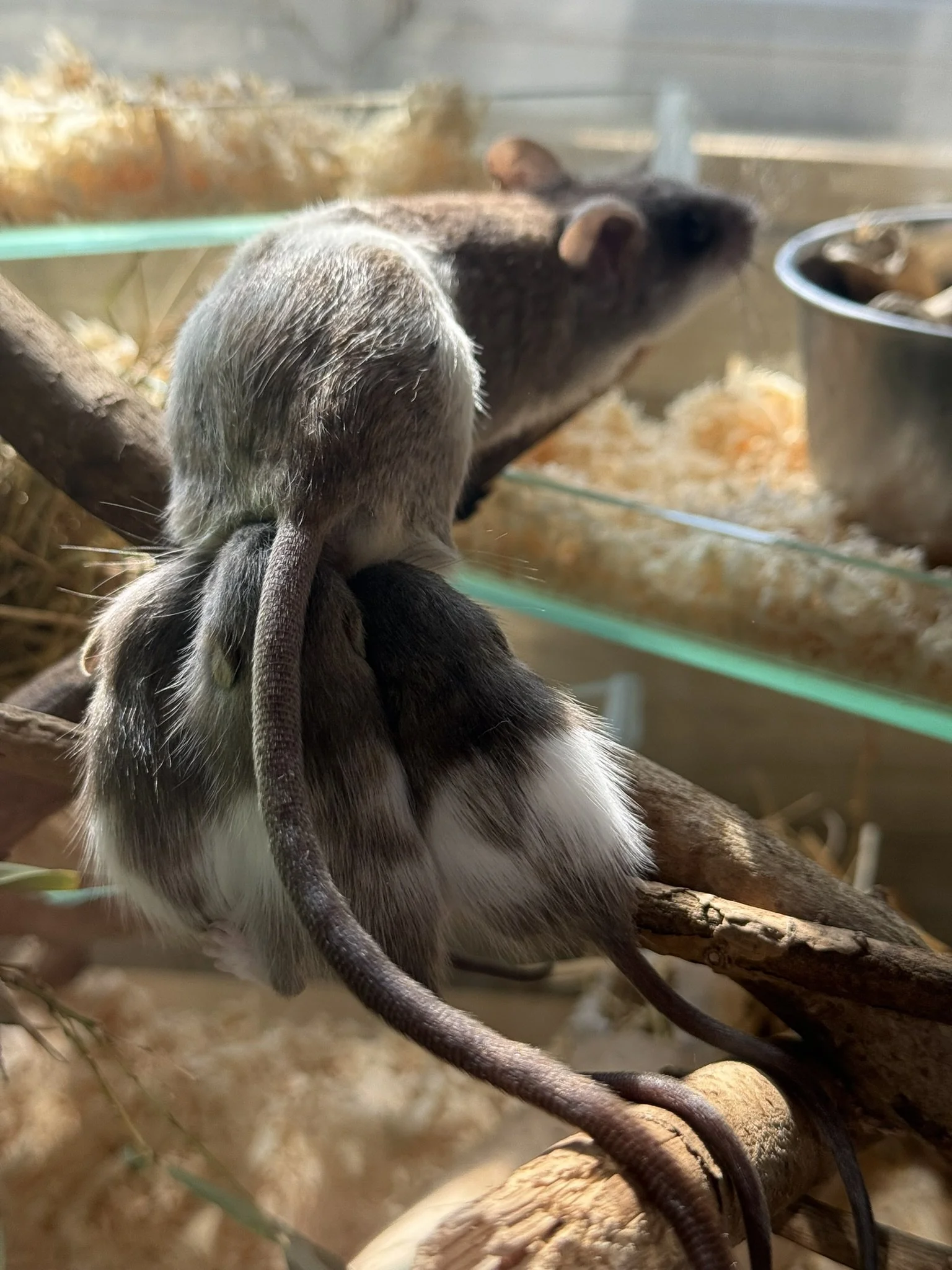
Both current colonies had stopped breeding, but recently a female in each produced young within a fortnight of the other. We have observed newborn young remaining attached to their mother’s nipples as she moves around. We are now looking to establish a third group of wild-type animals to support the continuation of our population.
Future plans
We hope to obtain young animals from different, hopefully unrelated backgrounds to pair with suitable youngsters from our current litters. Our aim is to create a third group within the collection and place additional animals with suitable keepers. Maintaining breeding opportunities and broadening the available bloodlines remain our priorities.
From our collection
Collection photographs
Sources & profile updates
Natural-history text reviewed: 17 October 2026. Collection notes updated: 6 November 2026. Photographs added: 6 November 2026.